
UMUZI
Youth Development
〰️
Youth Development 〰️
Umuzi works with employers and young people to build pathways into high-value digital and creative careers. Through paid learnerships, skills development and industry partnerships, the organisation helps talented young people access opportunities that may otherwise have been out of reach.
I spent four years at Umuzi in a range of leadership roles, including Creative Director and Programme Manager. It was a formative chapter in my career and gave me first-hand experience of what it means to build, communicate and grow a non-profit organisation from the inside.
During my time there, I worked across programme management, brand strategy, creative direction, communications, team management, business development and organisational expansion. This experience continues to shape the way I work with social impact organisations today. It taught me that effective communications in the non-profit sector is not only about telling good stories. It is about understanding the organisation, the audience, the community, the funders, the partners and the real-world systems the work is trying to change.
When I first joined Umuzi, I worked closely with the Academy. Over time, I helped develop and lead two important creative initiatives: Umuzi Experiences and Umuzi Creates. These programmes used creativity, storytelling and public engagement to create new opportunities for young people, while also strengthening Umuzi’s visibility, brand and relationships with the broader creative industry.
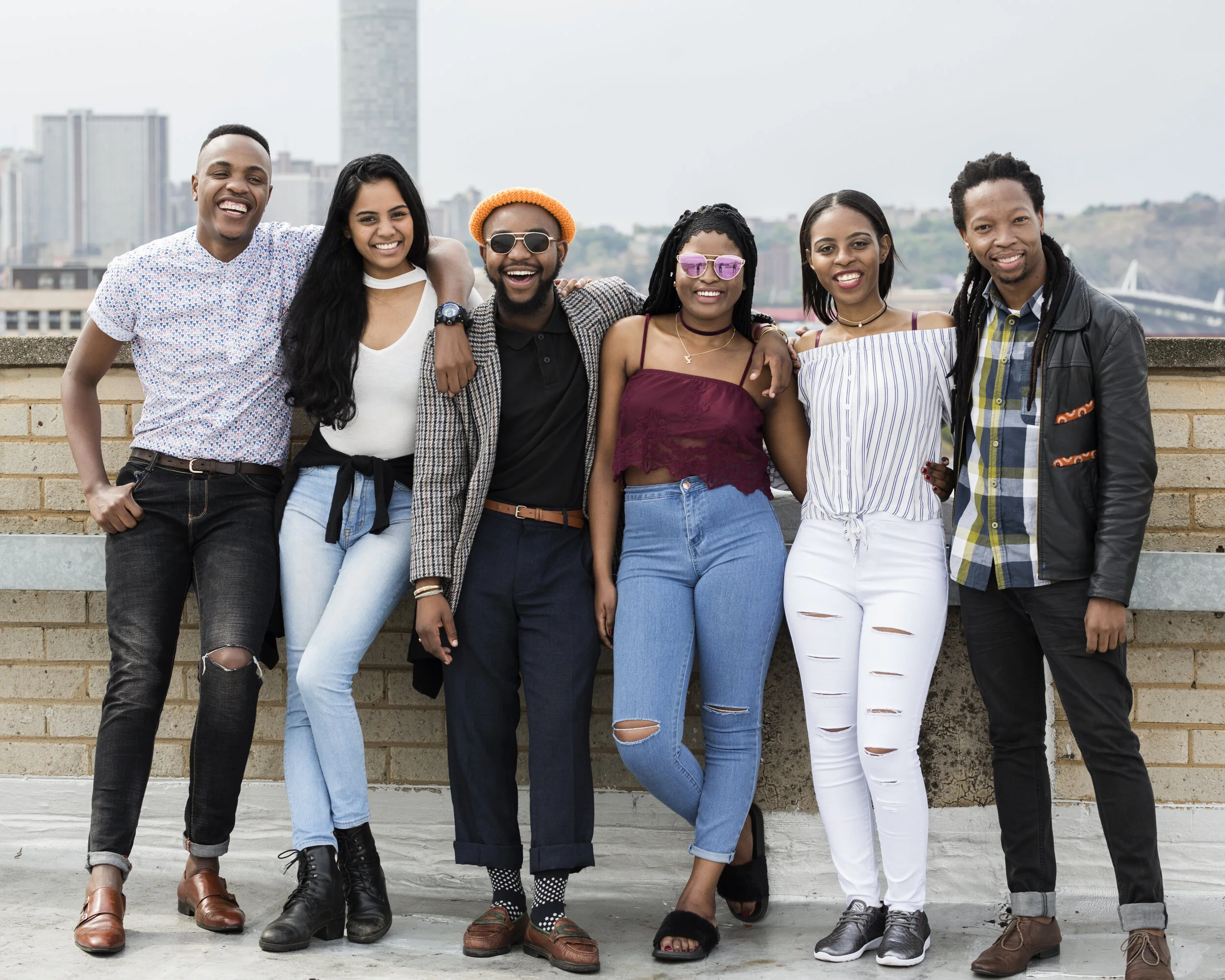
Umuzi Academy
I managed Umuzi’s multimedia programme, where we designed curricula and trained young people in creative storytelling, digital content production and professional communication skills. The programme helped participants develop both the technical and narrative skills needed to produce meaningful content and communicate ideas clearly across different formats.
I managed teams, projects and learning processes using an agile methodology, ensuring that the department could deliver high-quality work while supporting youth development. Once participants completed their training, we connected them with internship opportunities through Umuzi’s creative industry partners, helping them take the first step into their careers.
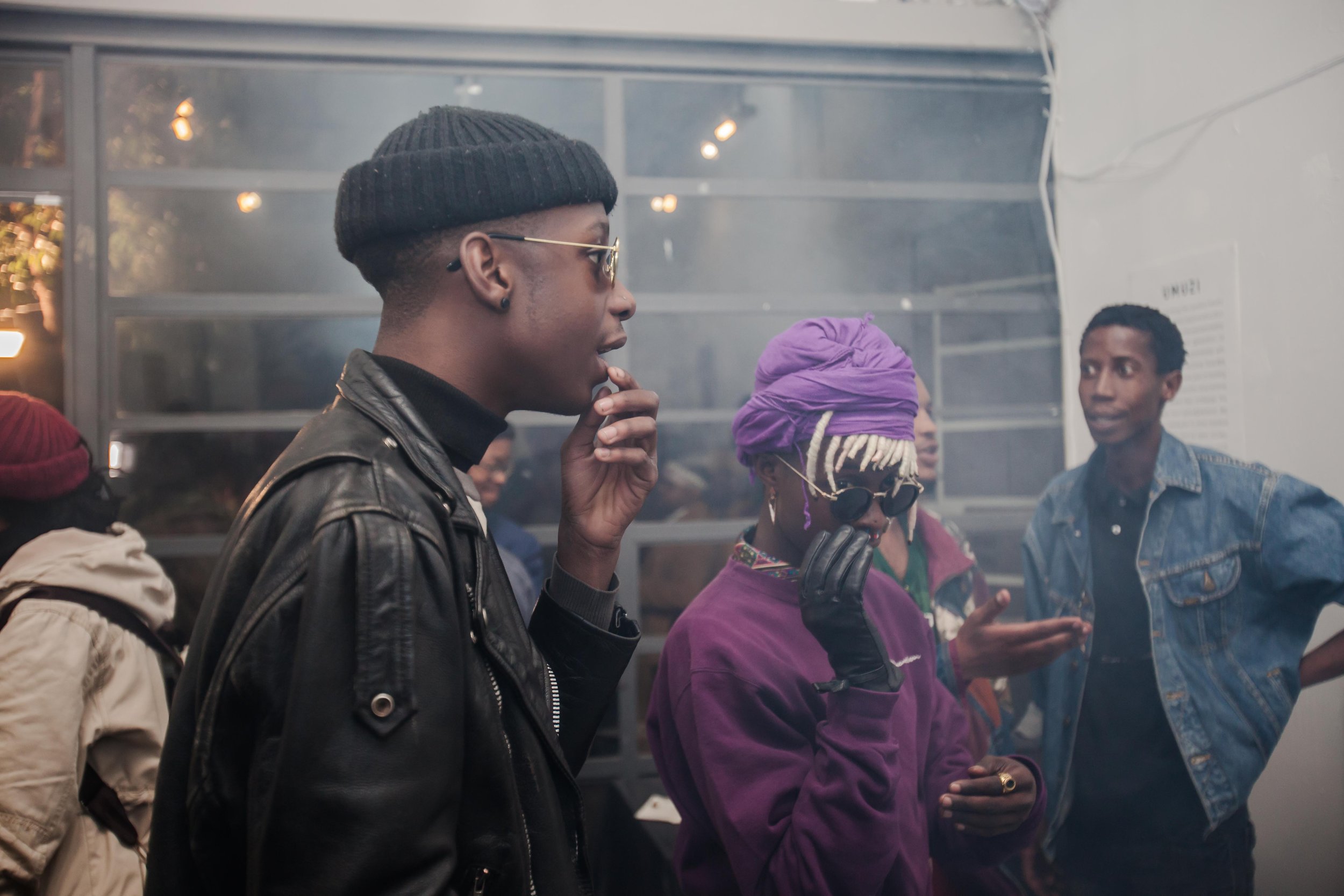
umuzi experiences
In 2017, I founded Umuzi Experiences, a public engagement platform created to make the experience of creating, viewing, buying and selling art more accessible in South Africa.
The platform was designed to open up the art world to young creatives and wider communities who are often excluded from formal cultural spaces. Through exhibitions, events and partnerships, Umuzi Experiences created opportunities for emerging artists to share their work, build audiences, and participate in broader cultural conversations.
At its heart, the initiative used art as a tool for communication, social dialogue and cultural exchange. It helped position creativity not only as a career pathway, but as a way for young people to tell their stories, connect with different communities, and contribute to public conversations about identity, access and opportunity in South Africa.
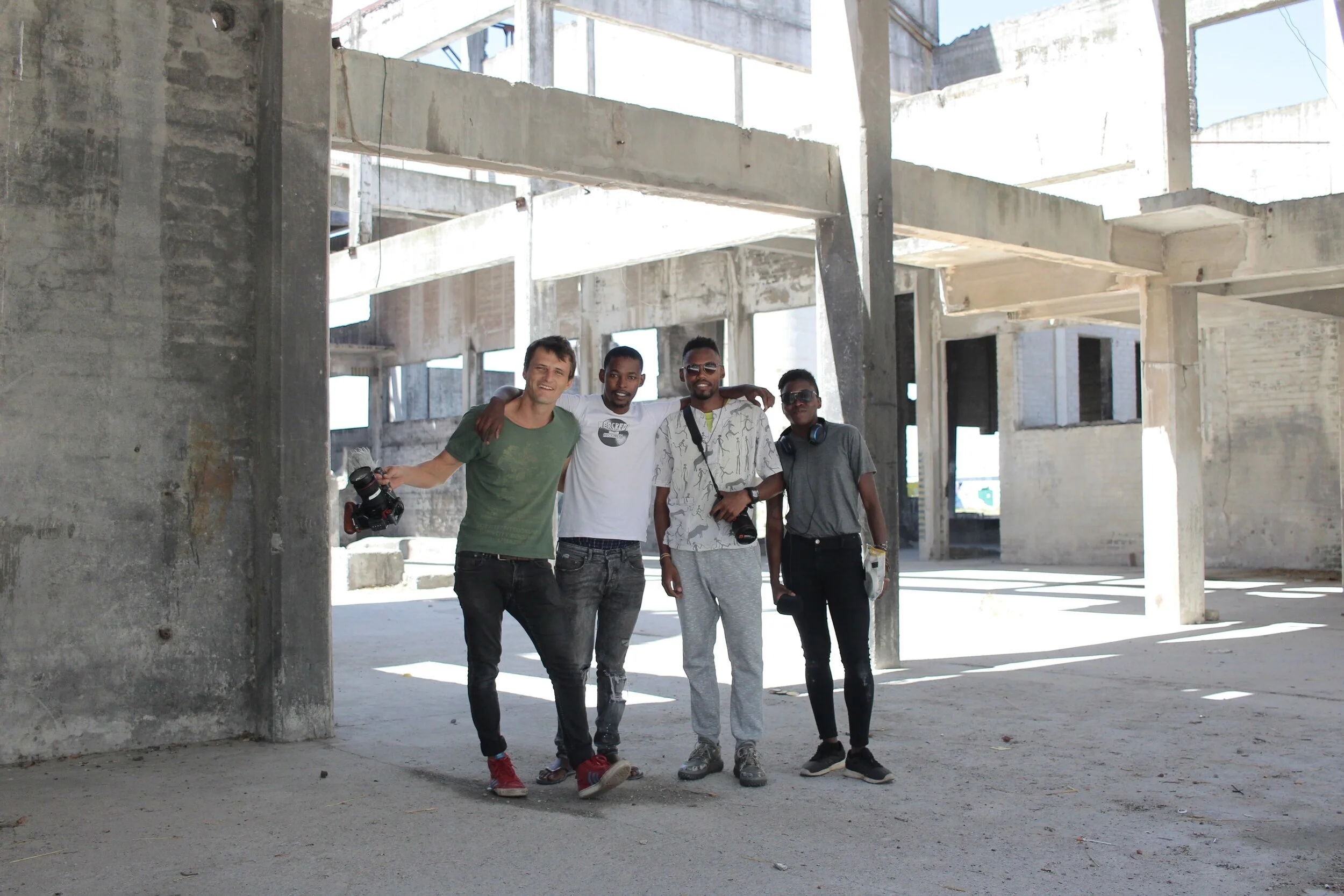
Umuzi creates
Umuzi Creates was developed in response to the exclusivity of Cape Town’s creative media industry. We established it as a non-profit creative agency that created pathways for Umuzi Academy alumni to gain professional experience, build portfolios and work on real client projects.
The model connected emerging young creatives with experienced industry professionals, allowing them to learn through practical production while delivering high-quality communications and campaign content for clients. Our work served organisations and brands including Uber, Nedbank, Standard Bank, Doritos, Red Bull and Investec.
The initiative helped bridge the gap between training and employment by giving young creatives access to professional networks, client briefs and industry-standard production processes. It also strengthened Umuzi’s role as a connector between talented young people and the creative economy, while demonstrating how communications work can be used to create more inclusive pathways into the industry.